
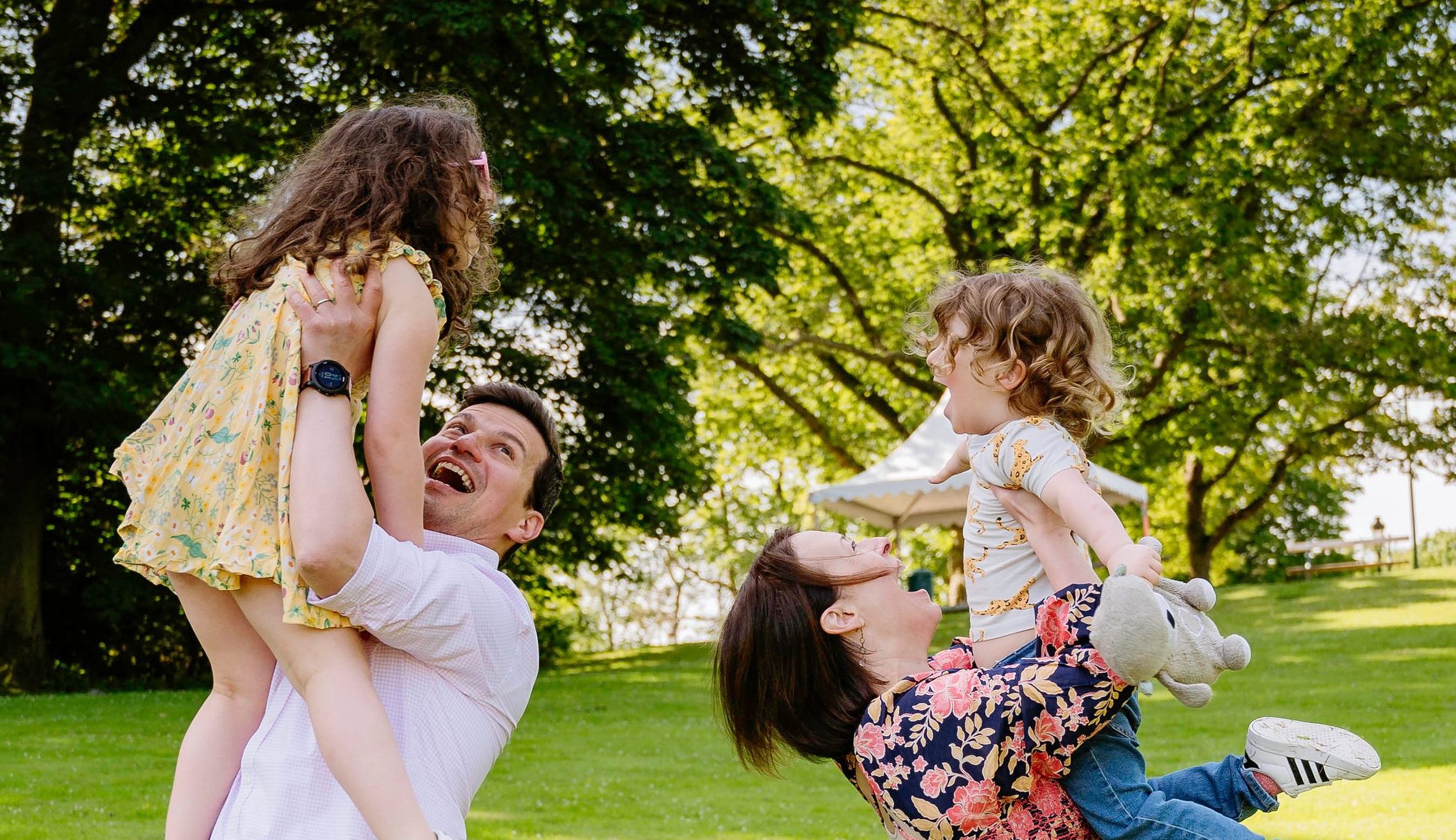
Raising Multicultural Kids | Angela, Founder of Expat Parenting Collective x Maria, Founder of The Eltern Hub Interview
Meet Angela: A leadership and expat parent coach specializing in the transitions of expat life. She’s the founder and owner of the Expat Parenting Collective: an organization dedicated to providing modern coaching services to international families, so that they embrace the expat journey with confidence, finding joy in their parenting role and the ability to create a new village wherever life takes them. She lives in Brussels, Belgium with her husband and two third culture kids (7 and 5 years old).
Meet Maria: Maria is a Dominican-American expat who has been living in Germany since 2018. After welcoming her first child abroad in 2022, she quickly realized the lack of English-speaking resources for expecting and new parents in Germany, as well as for families relocating with children. This experience inspired her to create The Eltern Hub: a one-stop platform for international families in Germany, offering knowledge, community, and confidence to help them thrive in parenthood abroad. Maria lives in Frankfurt with her husband and two children.
Third Culture Kids – TCKs (Angela)
Many people may not be familiar with what a third culture kid (TCK) is! To simply explain: if both partners are from different cultures and the children were born or are living in a third culture, then you have a third culture kid.
As the child is not growing up in either one of the parent’s cultures, they can’t relate 100% to it, and therefore, the child makes up his or her own culture. They relate to the place they are living and the community that comes with it as well as their family as their cultural identity. Through my research and work with expats, I find that the most important thing for TCKs is to feel grounded in their identity and belonging. Surprisingly, that starts with the child’s parents.
A solid foundation among parental figures make TCKs feel they have their three basic needs (especially for children under the age of 7) of safety, love and belonging. This is how our children form their primary imprint of identity. In order for a TCK to feel safe, loved and belong, the parents need to keep doors of communication open, help the children with their questions and when there are problems, show that these things can be discussed and handled with dignity. This allows for a secure home base or foundation, so the child can feel safe in speaking about all the different ways in which he or she will take risks by putting themselves out there on a daily basis.
As parents, one thing that we need to be aware of with our TCKs, is that many times our identity (as parents) may be changing too. This may be disconcerting, uncomfortable and seem as if we’re not ourselves or do not feel comfortable fitting in certain places. We need to show up here with curiosity and self compassion. Living in a different country with third culture kids (three or more cultures in the mix) is no easy feat…and it may be challenged or complicated at times by our child’s questions. It’s ok if you don’t always have the answers to your child’s questions, and letting them know that allows them to realize that we’re not perfect, don’t have all the answers and gives them the permission to know that they don’t have to be that way either.
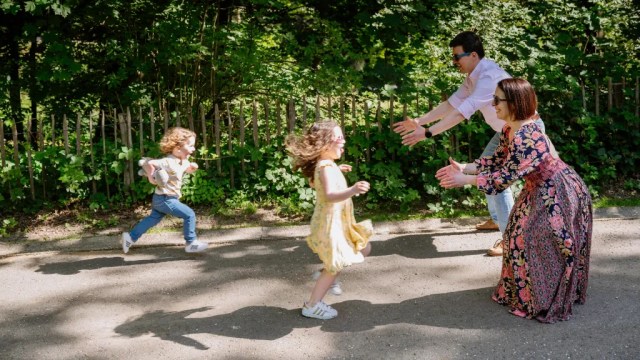
Second Culture Kids – SCKs (Maria)
Second Culture Kids (SCK) are kids who are raised in two (or more!) cultures. Often because their parents come from different backgrounds.
In my family, my husband is German, and our kids were born here. I was born in the Dominican Republic and raised in the U.S., so like me, my children are also second culture kids. In our home, we juggle three languages: German, Spanish, and English. Thanks to early exposure, our kids switch easily between them, though German naturally dominates since it’s the language they hear most.
Raising SCK goes beyond language-learning. From identity and belonging to cultural traditions and values, it is important that parents consider how they can support their children in building a strong sense of identity while staying connected to their different cultures. Whether that is through language, storytelling, holidays, foods, it is important that multicultural kids are exposed to the different cultures blended within the family.
In our home, we try to keep our cultures alive through music, food, books, and consistent language use at home. For example, I always speak Spanish with the kids, while my husband uses German, and their school adds English. We also love connecting the kids to our different cultures through music, food and books.
Raising second culture children often comes with its share of challenges as well. Sometimes the kids prefer German over the other languages, which can feel discouraging. However, I’ve learned that consistency, patience, and grace are key. At the end of the day, raising second culture kids shouldn’t feel like pressure, it should feel joyous. The more fun and meaningful the exposure, the more children embrace and celebrate their multicultural roots.
We all parent differently: How our different upbringings have influenced our parenting styles
Angela: Two people from the same culture do not parent in the same way, so when you have multiple cultures, it can be more than challenging. You don’t need to parent in identical ways, yet you do need to be on the same page with each other.
With my clients, I always do an exercise where the couple will speak about how they were parented and how they want to parent. This allows us to identify the way in which they want to be as a mother/father, and their default (especially when times get tough), which is often how they were parented. This can also identify certain ways of life, which may be widely different. This could be, for example: cultures that encourage kids to go out and try things on their own (climb at the playground without help) or do something differently (go up the slide backwards) versus those in which children are not encouraged to go out and try things on their own, as mom or dad do it for them (not encouraging them to go against the norms of how things are often done).
Maria: Although I grew up in the U.S., my family kept Dominican traditions very much alive at home! Spanish was the only language spoken in our household, and most of our meals were traditional Dominican dishes.
Looking back, I see how much that upbringing influences my own parenting style. In Dominican culture, food and music are at the heart of family life. Now, as a mom of two, I carry those traditions with me. For example, cooking homemade meals not just to nourish my kids, but as a way of showing love and care, just as my mother did with me.
At the same time, I try to be intentional about creating space for the things I didn’t experience as a child. For example, my parents weren’t big on letting me play freely or get my hands dirty. Whereas in Germany, children are encouraged to spend time outdoors, explore nature, and embrace messy play. That’s something I value and want to pass down to my kids. Blending together the warmth of my Dominican upbringing with the openness of the German approach to childhood.
In many ways, my parenting style has become a blend of my Dominican upbringing and the values I’m learning to embrace in Germany. Similar to my children who are learning to grow up between cultures themselves.
What do we value and what are our values?
Angela: In this beautiful life of living with second or third culture kids, it’s so important to think about what traditions, rituals and languages are valuable to us. When a multicultural couple comes together, they have to think about what is important to observe, teach, celebrate and more.
Discuss with your partner what rituals, traditions, holidays and more are an important part of their culture. How will you fit the various languages into your life?
My favorite tip here is to share stories (whether read or spoken) about the traditions, rituals and celebrations right before bed. Yes, this may prolong bedtime a bit, and a child’s curiosity at this time is often at its peak. It’s also best if this is done in your native language, which allows another way to connect about your culture or background with your kids.
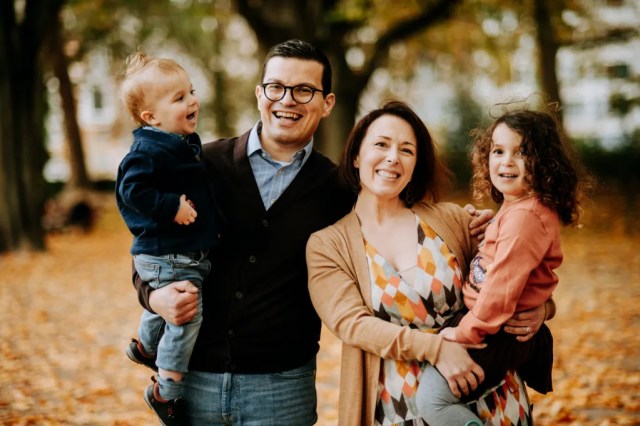
Maria: For my family, language is one of the most important ways we can pass down things from our culture. To teach our kids German, Spanish and English aside from simply speaking it – my husband and I try to incorporate lots of music and play in our native language(s).
There are also many values we want to instill in our children, like the importance of family time and sharing meals together. Doing family activities on weekends to make memories together. Spending time as a family – both with our nuclear and extended family – are parts of my Dominican culture I want to instill in my children.
We also do lots of things around the holidays like Easter egg hunts or opening Christmas gifts the night of the 24th – which is more typical in German and Dominican culture. For me, deciding which traditions are most important is based on seeing what memories from my childhood most stand out to me that I want to continue to carry on for my kids.
Key takeaways, tips & resources
Angela:
- Curiosity is the bridge to understanding. If your kids are struggling, sit down with your partner and see if there’s any way in which you are not showing up for them. Often, there may be struggles among the parents, which peaks a child’s anxiety or fear response. If children don’t feel safe, loved or belong (a necessary need for kids 7 and under) then they move to a protection response. This means they don’t share as much as they don’t trust the environment. If there’s nothing found among the couple, always look to the teachers and other adults that see your child daily. They may be able to provide some insightful glimpses into this beautiful life.
- Have a weekly check-in with your partner. This multicultural life is beautiful and not for the faint of heart. It puts a weight on our relationships, and it is so helpful to check in to see how each person is doing. Additionally, every quarter, look at your values, boundaries and fears and see if anything has changed. This allows for a beautiful opportunity for the two of you to support each other.
- Find books in your local language that can support your children in their multicultural world.
Maria: Whether you are raising second or third culture children, honoring all cultures at home is important. Make space for each parent’s culture and traditions through language, food, play, music etc. Blending traditions is always the best!
As kids grow up and juggle multicultures, they might lean towards one culture or language at a time. That is ok and natural. Stay consistent in speaking to them in your native language and introducing them to the different cultures without adding pressure. The journey should be fun and exciting!
expat parents in Germanyexpats in Germanyfamily relocationliving abroadmoving abroad