
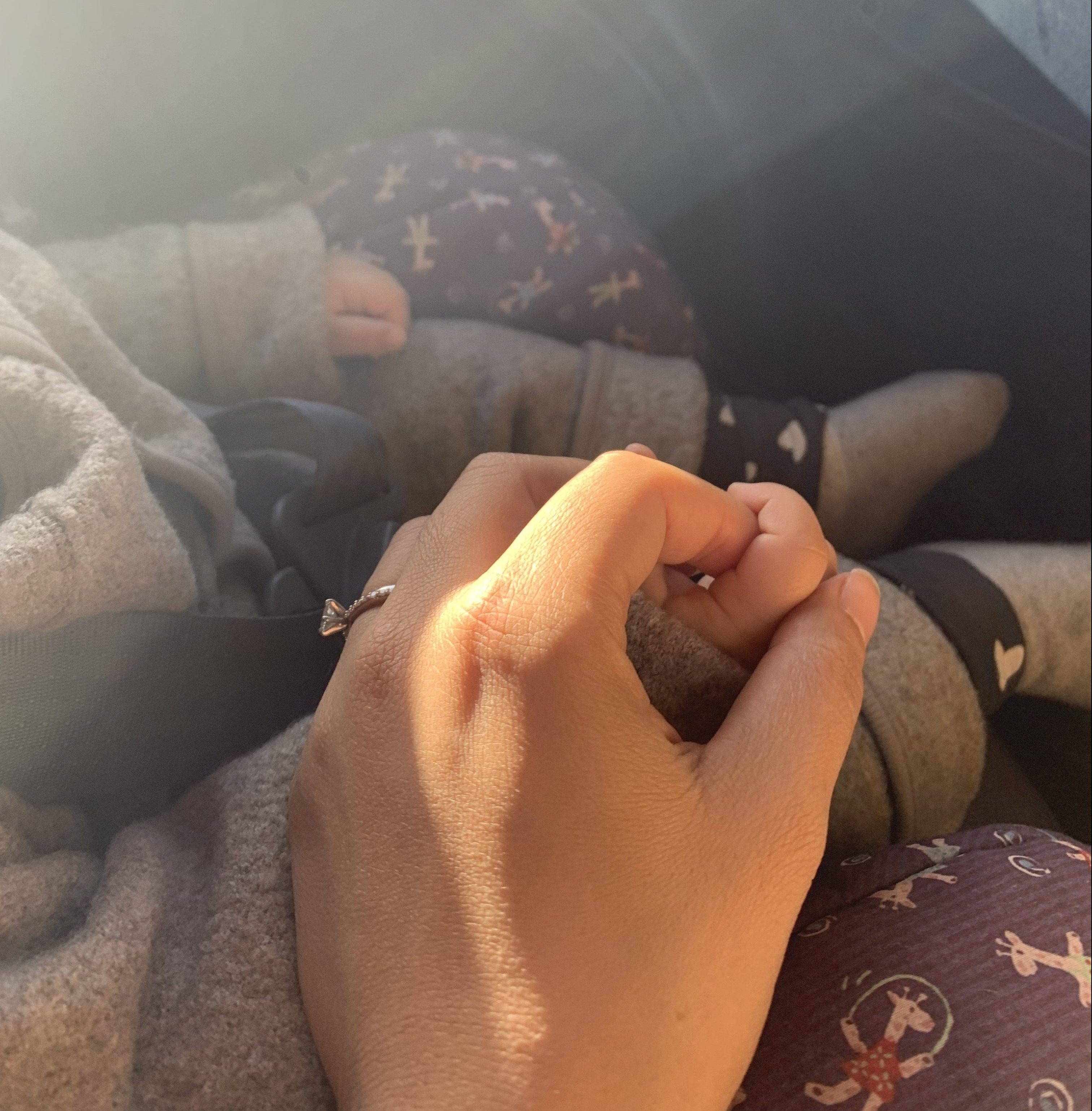
The “Eingewöhnungszeit” | 4 Tips for Managing the Adaptation Period at Kita
Since starting Kita, many parents have been telling me that the Eingewöhnungszeit (adaptation period) is oftentimes harder on the parents than it is on the child.
This could not be more true for me.
The Eingewöhnungszeit is a period of major transition – for everyone. Emotions run high, there are new faces and routines to adapt to, early wake-up calls, new environments, expectations, and new rules. This process can take anywhere from 4 weeks to 3 months and nothing can really prepare you for it. It can feel overwhelming and as someone going through this for the first time, I knew I needed to turn to my expat community of parents for support.
I’ve spoken to other parents about how to manage this next step and we all agree that this process can be challenging for many and every child (and family) is different in how they adapt. As a newbie in this space, I am constantly looking for ways to make the transition easier. Here are 4 tips I learned along the way to help manage the start of Kita:
- Bring the items requested from Kita during the first week: It was good to have all the necessary items we needed for the Kita at school during the first week. Ideally, having everything on the first day is ideal so it is one less thing to worry about later. However, if your child is starting Kita in-between seasons (our daughter started between summer-fall), you should keep in mind that the clothes that remain at Kita might need to be changed soon as the weather changes. In my case, since my daughter was starting Kita between summer and fall, we packed some summer and some fall warm clothing that we knew she could switch as the weather changes. Of course, there are some items you can leave to bring later (for example, the bedsheets, as it might take a while for your child to start napping at Kita). I recommend accessing the list from the Kita and determining what you must bring right from the start.
- Plan your commute: Will you be driving or taking a bus/tram/train? Know your commute and if it applies, the public transit schedule in your area so you are well prepared for the first few days. If driving, consider traffic when driving into and within Frankfurt. Mornings can be hectic so know what path you will take that could help avoid morning rush hour traffic. Emotions could run high so you will want to make sure logistics are taken care of and that you know your commuting plans each morning.
- For parents doing the Eingewöhnungszeit, bring entertainment: Bring a book or something to read along to keep distracted while your child goes through the adaptation period. Avoid using your cell phone as a distraction in the classroom. Instead, bring something to read to entertain yourself. This will help keep you distracted as your child learns to interact more with the teachers and kids. For me, having a book in hand helps ease any anxiety around this adaptation process and keep distracted by having something else to do during this time (rather just obsessing and staring at my child every moment and wondering how they are feeling). Having a small distraction during this time is also helping me to create some boundaries and allow for the teachers to interact more with my child.
- Build a good relationship with the teachers – you are on the same team!: Having a good and close relationship with the teacher(s) in charge of your child is important. Aside from the parents, this is now the person/people your child will be spending a lot of time with. It is important to build a relationship of open and clear communication and trust to help make this transition easier for everyone. For the parent doing the Eingewöhnungszeit, it is important to check in with the teacher at the end of each day and make a plan for the next day. Ask questions and for clear guidance when you do not understand something. Keeping an open dialogue makes for a healthy connection amongsts parents and teachers. Plus, your child will see that you have a good relationship with their teachers and that this is someone they can trust.
The Eingewöhnungszeit at Kita has been an emotional period for me. I am navigating mixed emotions as I help foster independence for my child (which in turn means they will have an easier time adapting and I can return back to my career quicker), while also feeling nostalgic that my maternity leave has passed by. While there is no “perfect” way to navigate this change, the 4 tips above have helped my family and I have a smoother transition into Kita.